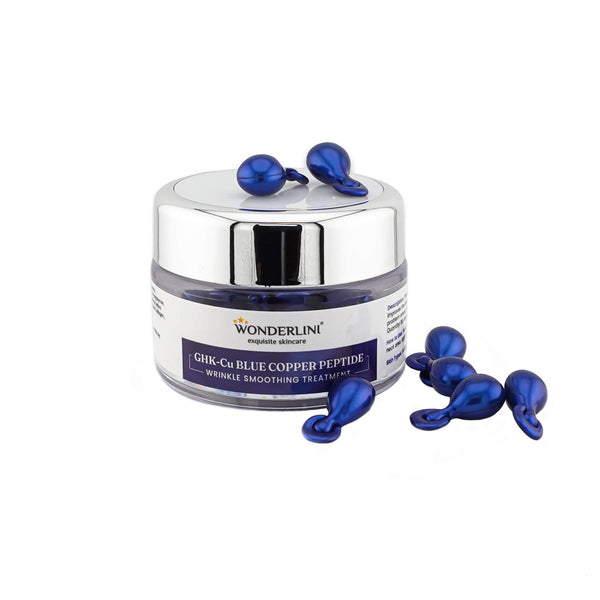
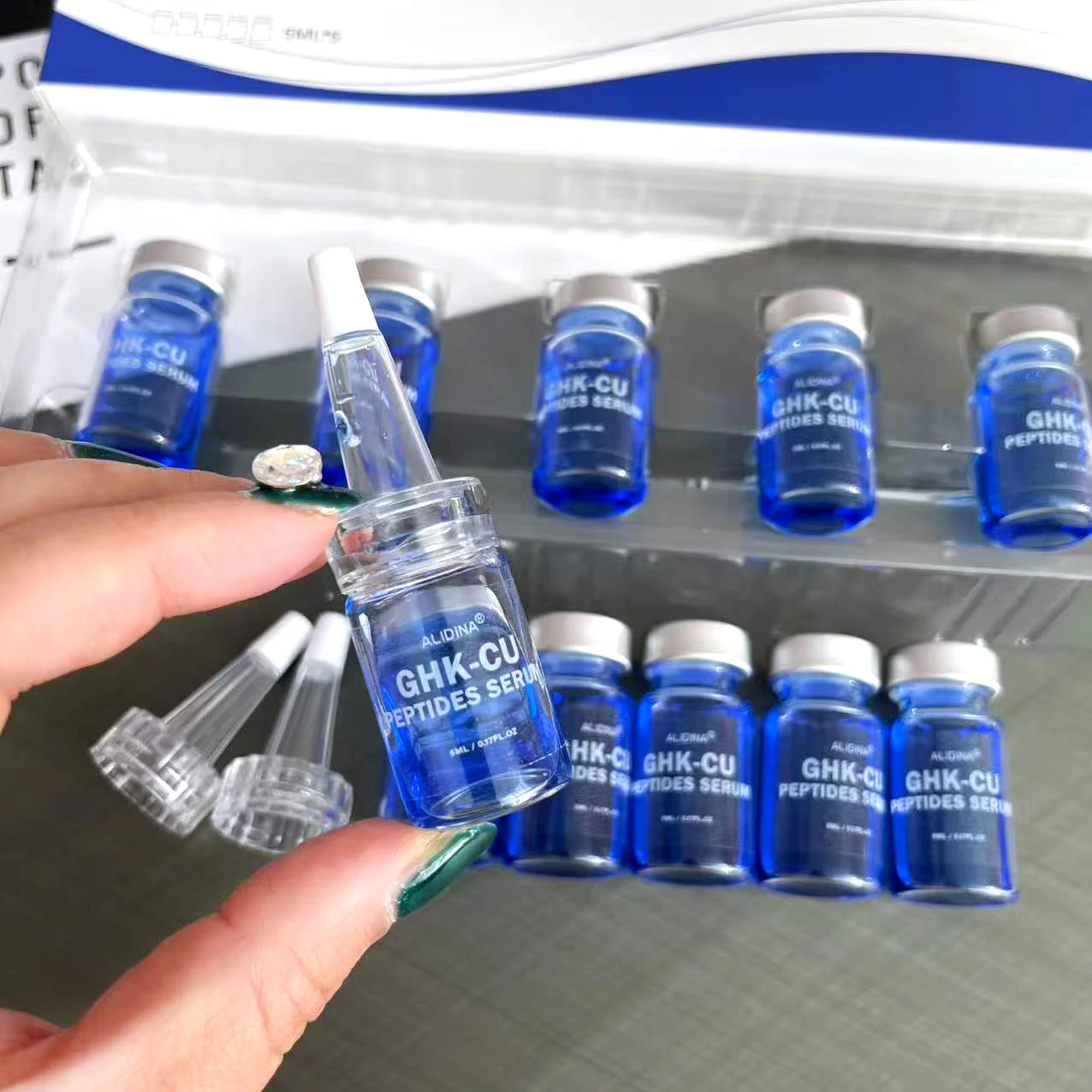
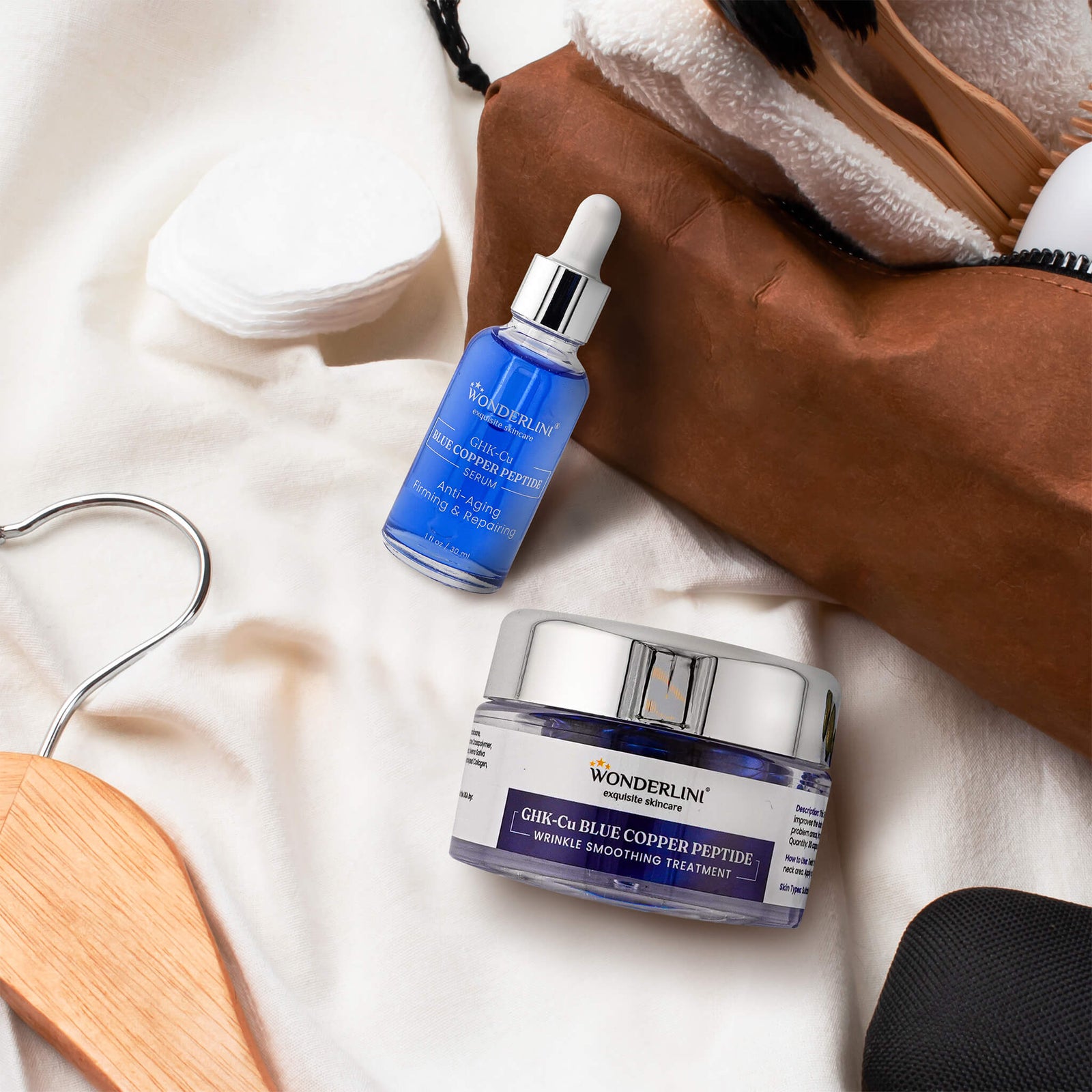
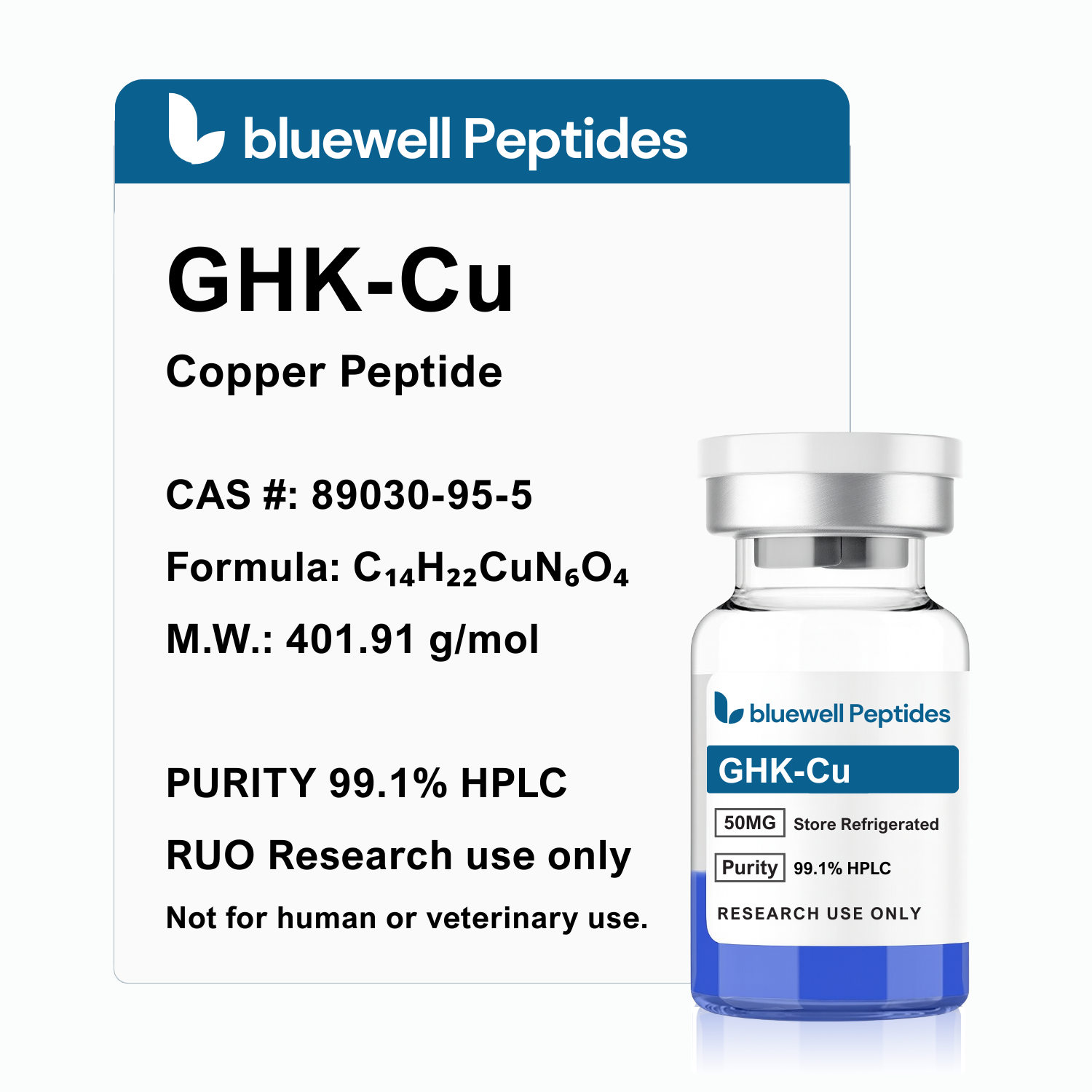
Phase 1: Weeks 13 (Disc Repair Priority) BPC-157: 500mcg/day subQ TB-500: 2.5mg/week subQ GHK-Cu: 1mg/day subQ Focus: disc tissue repair, nerve decompression, anti-inflammation Activity: physical therapy, gentle mobility, no loading Phase 2: Weeks 48 (Add Recomp Layer) Continue Phase 1 stack Add CJC-1295 no DAC + Ipamorelin: 100mcg each, pre-bed This layer drives GH pulsatility for tissue remodeling and begins the body recomposition phase Activity: begin light lifting as cleared by PT Phase 3: Weeks 9+ (Maintenance and Fat Loss) TB-500: Drop to maintenance 1.25mg/week BPC-157: Can drop to 250mcg/day or 5 days/week CJC+Ipa: Continue pre-bed Optional add: Tesamorelin (12mg/day, 5 days/week) for visceral fat and GH optimization pairs well with CJC+Ipa Optional add: Retatrutide for more aggressive fat loss if that's a priority What to Expect: Recovery Timeline Weeks 12: Reduced acute nerve pain is often the first noticeable change

Either way, we found NIODs lack of a subscription option (and discount) rather disappointing, so we hope to see the company add one in the future
Gut Health, Leaky Gut Repair, and Systemic Inflammation Control Because BPC-157 originates from a gastric peptide, it also has regenerative effects on: Stomach lining (ulcers, gastritis) Intestinal barrier (tight junction restoration) Gut-brain signaling (mood, sleep, focus) This makes it particularly useful for: Athletes using NSAIDs or oral PEDs Individuals with IBS, IBD, or celiac Users with chronic bloating, fatigue, or GI inflammation Oral BPC-157 demonstrated potent anti-ulcer properties and restored epithelial integrity in models of induced intestinal inflammation. Petrovic et al., Inflammopharmacology 6
Cormorant Asset Management , OrbiMed , Vivo Innovation , and Janus Henderson back the company