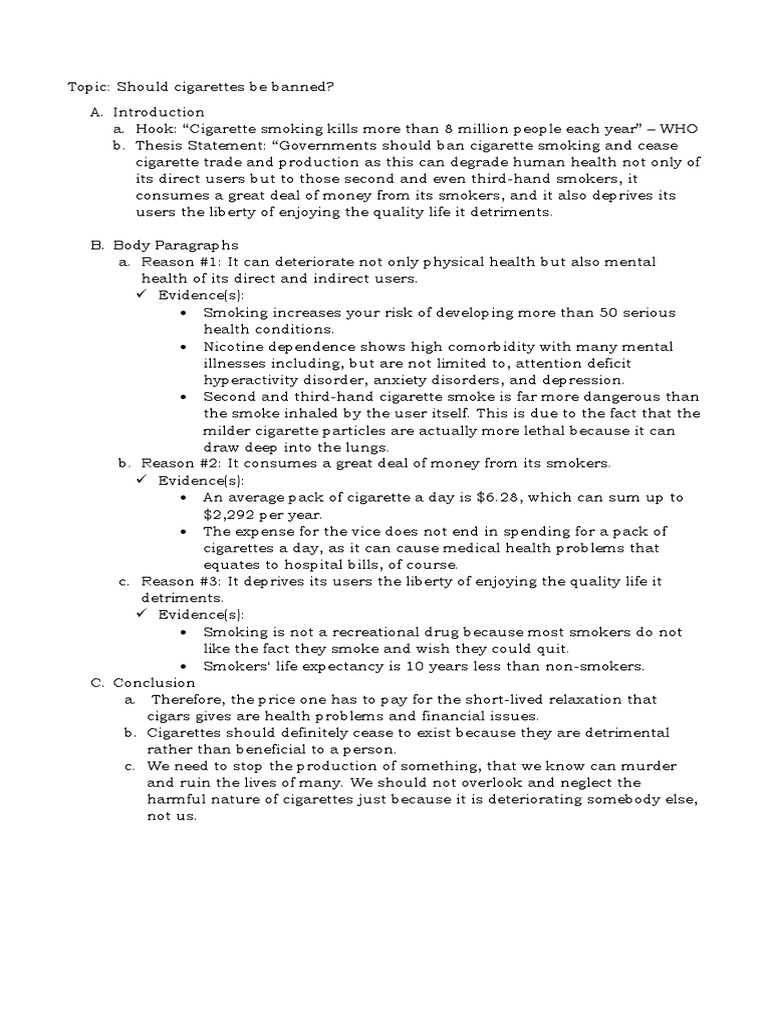
According to Keith Wailoo, author of Pushing Cool: Big Tobacco, Racial Marketing, and the Untold Story of the Menthol Cigarette , advertising consultants advised their tobacco clients in 1971 that African Americans were open to exploitation and lived in neighborhoods that provided new opportunities in the menthol cigarette market. Wailoo examines how the tobacco industry framed Black people as a niche market and the industrys evolution its secrets, practices, and power
The shallow dive Looking at it from a birds eye view, the supply chain looks like this: Agriculture Growing tobacco on farms Logistics Getting tobacco from farms to where it can be processed Primary processing Sorting, stemming, redrying, blending and adding flavors and dyes More logistics Getting tobacco to manufacturers that do secondary processing Secondary processing Making filters, flavor capsules, paper, packaging and more, and ultimately manufacturing the final products that are sold to consumers Even more logistics Using transport, distribution and wholesalers to get finished products to retail settings where people can buy them Retail and marketing Selling packaged products like cigarettes, cigars, bidis, oral tobacco and more Use and disposal Smoking or using the tobacco products, then throwing them and their packaging out Tobacco not only causes harm when it is smoked, the tobacco industry can cause damage in nearly every one of these steps

Kathiann Kowalski reports on all sorts of cutting-edge science
the autopsy lung was more impressive. (Male, smoker) The pictorials that presented the impact of smoking without displaying the image of the affected organ (Figure 1, pictorials 79) were defined as illusionary